How Much Does a Baby Shower Cost? A Practical Budget Guide
A typical US baby shower costs $100-$1,000 in total: a low-budget home shower usually runs $150-$300, a mid-range shower $400-$700, and a high-end shower $1,000 or more. For 20 guests, expect about $300-$800 at home, or $500-$2,000 for the same party at a rented venue or restaurant – roughly $15-$40 per guest. Venue and food are usually the two biggest costs, so set a total cap first. Prices vary by US region and retailer – these are typical 2025-2026 ranges, not exact prices.
Ask ten hosts what a baby shower costs and you will get ten different answers — and all of them can be true. A brunch at home for 15 guests is a different event from a catered hall party for 50, and a shower in a high-cost city is priced differently from one in a smaller town. This guide does not pretend there is one national average. Instead, it shows you the ranges hosts commonly plan within, what drives each cost, and where to save without making the day feel thin.
What Moves the Total Most
Three choices decide most of your budget before you buy a single balloon:
- Venue. Home is free. A community hall, park pavilion, restaurant room, or rented event space adds rental, and sometimes service charges or a minimum spend.
- Guest count. Every extra guest adds food, drink, seating, favors, and sometimes tableware. A list that grows from 20 to 35 guests can raise food costs by roughly half, even with the same menu.
- Food style. Homemade finger foods and brunch dishes cost less per guest than full catering or a restaurant meal. A dessert table plus light snacks costs less than a sit-down lunch.
Everything else — decor, invitations, games, favors, cake — matters, but none of them alone will double your budget the way venue, headcount, and catering can. If you need to cut, start with those three levers, not with the small details guests barely notice.
Divide your total cap by your guest count. That per-guest figure tells you immediately whether catering fits, or whether homemade food is the realistic choice. Hosts who skip this step often discover the gap only after the venue is booked.
Budget Ranges by Shower Style
The ranges below are planning ranges, not quotes, and they vary by US region. Use them to choose a style that fits your cap, then price each line locally before committing.
| Shower style | What it usually includes | Planning range (varies by US region) |
|---|---|---|
| Small home shower | Homemade food, simple decor, digital invitations | $150-$300 |
| Mid-size home or community shower | Some catering or takeout, fuller decor, printed or digital invitations | $400-$700 |
| Rented venue or restaurant shower | Venue rental, catering or restaurant food, fuller decor and cake | $1,000+ |
| Virtual shower | Video call, mailed favors or treats, host’s backdrop decor | $20–$200 |
| Elevated or styled shower | Professional decor, full catering, photographer, custom cake | $1,000+ |
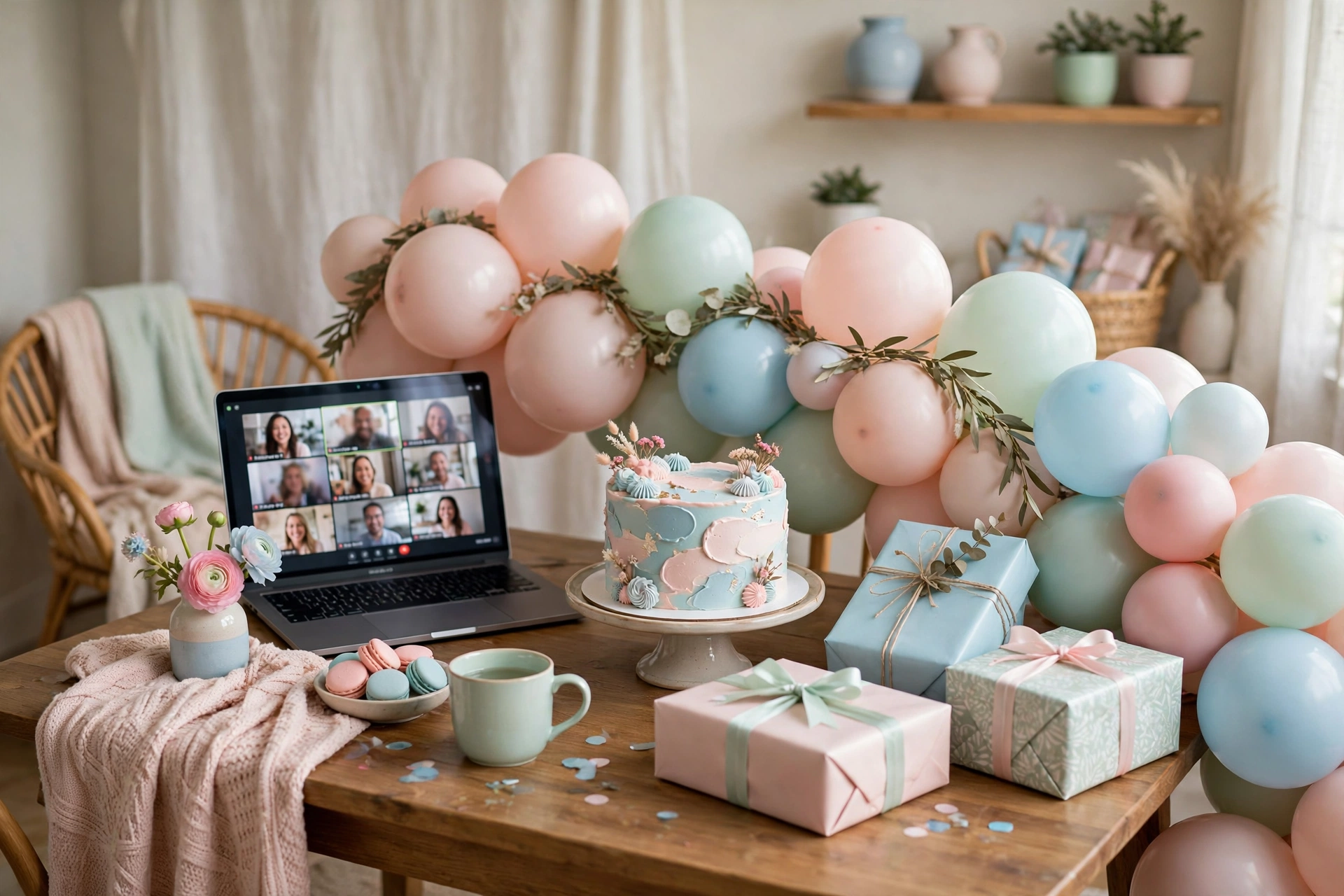
A virtual shower is the clear budget winner, often costing only a fraction of an in-person event, mainly for favors, mailed treats, and invitations. It suits distant family, small budgets, and parents who prefer a quieter celebration, and it can be paired with a small in-person gathering later.
Cost Breakdown by Category
Use this table to build your own budget. Fill in local prices as you get quotes, and keep a running total so the final number never surprises you.
| Category | Typical planning range (varies by US region) | Notes |
|---|---|---|
| Venue | $0 at home; $200-$500+ for a rented space | Check what tables, chairs, setup, and cleanup are included |
| Food and drinks | Food: $10-$15 per guest DIY; $20-$30 per guest catered; drinks $50-$100 | Finger foods and brunch cost less than a full meal |
| Cake and desserts | $50-$150 | Cupcakes can be cheaper and easier to serve |
| Decorations and tableware | $50-$200 | One focal display beats decorating every corner |
| Invitations and postage | $30-$50 for printed; free for digital | Order early to avoid rush fees |
| Games and prizes | $25-$100 for games and favors | 2–3 games are enough; prizes can be small and useful |
| Favors | $1–$3 per guest ($25–$75 for 25 guests) | Useful favors beat elaborate ones guests leave behind |
| Thank-you cards and postage | $25–$50 for 25 guests (cards + postage) | Budget for cards, envelopes, and stamps |
| Contingency | Around 10% of your total — $10–$100 on a $100–$1,000 shower | Covers extra guests, ice, and last-minute supplies |
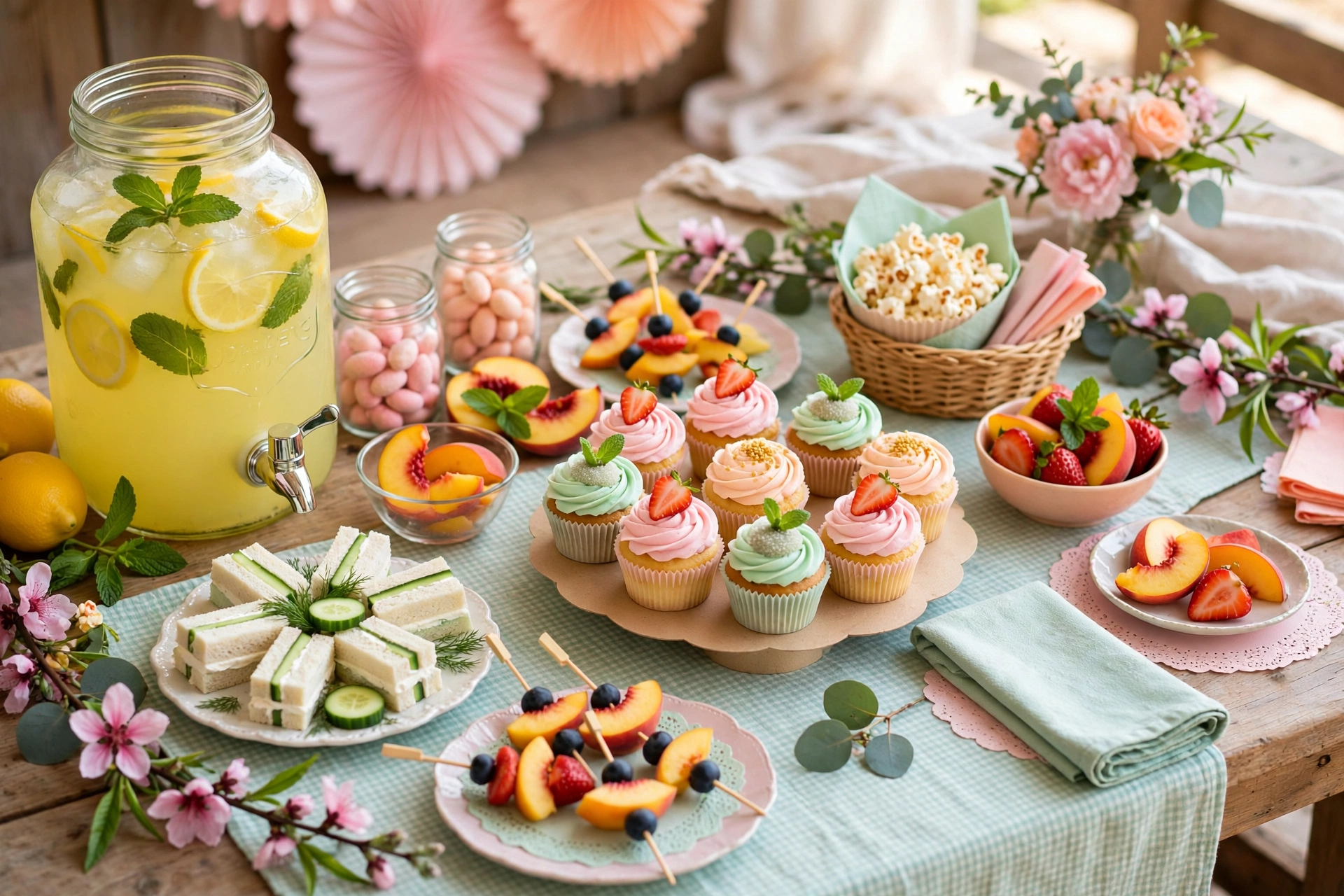
Food deserves special attention because it is where hosts most often under-budget. Plan generous quantities: guests remember running out of food far longer than they remember a plain tablecloth. For a two-hour brunch or afternoon shower, finger foods, a main light dish, fruit, desserts, and drinks are usually enough, without a full multi-course meal. Label dishes for dietary needs, and keep water, a mocktail, and a non-caffeinated option available throughout.
Budget Examples: Three Realistic Showers
Example 1: Small home brunch, about 15 guests. Home venue, homemade brunch, simple balloon and flower decor, digital invitations, printable games, small favors, and a store-bought cake. This is the lowest realistic in-person range, and it can feel just as celebratory as a larger party when the room is warm and the food is generous.
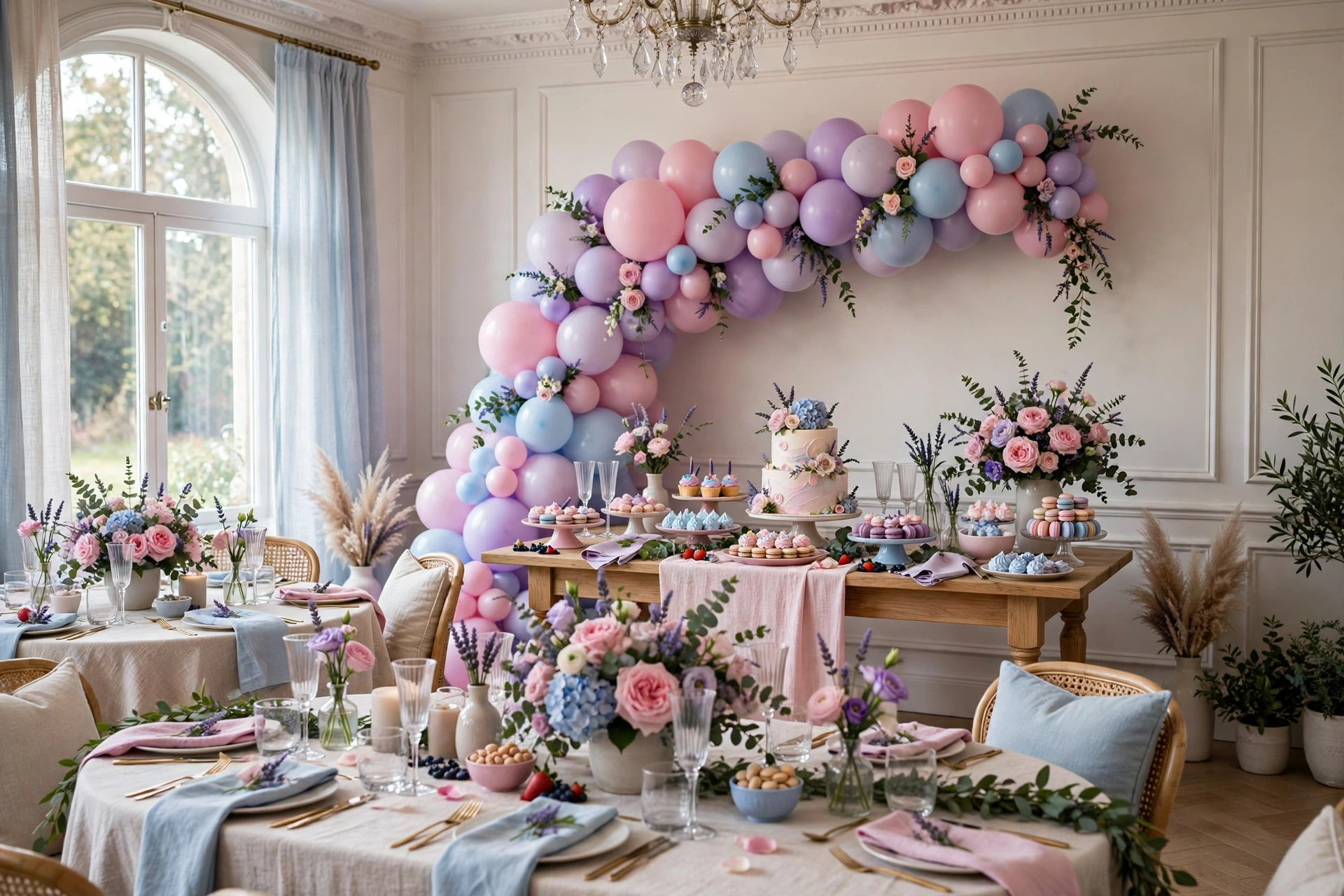
Example 2: Mid-size shower, about 25 guests. Community hall or larger home, a mix of homemade and takeout food, fuller decor with a balloon arch, printed or digital invitations, a custom or bakery cake, and useful favors. Food and venue lead the spend here, and a clear cap keeps decor from creeping upward.
Example 3: Venue shower, about 40 guests. Rented room or restaurant, catered food, professional or kit decor, printed invitations, custom cake, games with prizes, and favors for every guest. This is the highest common range, driven by venue minimums and per-guest catering. If this style exceeds your cap, reducing the guest list or choosing a brunch time slot usually saves more than cutting decor.
For the full planning sequence behind these examples, read how to plan a baby shower step by step and use the complete baby shower planning checklist for hosts.
Choosing a late-morning or early-afternoon time lets you serve brunch or light afternoon food instead of a full evening meal. That single decision often saves more than every decor discount combined, and guests tend to enjoy a shorter, brighter party anyway.
Who Pays? Agree It Before You Spend
Traditionally, the host pays for a baby shower thrown in the parent-to-be’s honor. Today, co-hosting is common: friends, sisters, or family members split the total equally, split by task — one owns food, another decor — or contribute toward specific items such as the venue or cake. Parents who host their own small shower pay for it themselves.
Whatever model you choose, agree it in writing before spending, with one shared sheet tracking who paid for what. Awkwardness almost always comes from unspoken assumptions, not from the amounts themselves. If a co-host cannot afford an equal split, task-based shares are fairer and kinder than pretending otherwise. For hosting roles and etiquette in more detail, see who traditionally hosts a baby shower.

Where to Save Without Cutting Comfort
Save here, with little downside:
- Host at home, in a park pavilion, or in a community space instead of a rented hall.
- Use digital invitations, or printed invitations only for guests who prefer them.
- Choose one strong focal display — a balloon arch, dessert table, or welcome sign — instead of decorating every surface.
- Make favors small and useful: cookies, tea, seed packets, or mini candles.
- Use printable games and small, useful prizes instead of hired entertainment.
- Borrow tables, chairs, serving dishes, and decor from friends and family.
- Buy paper goods and non-perishables early, and avoid rush shipping fees.
Do not cut here:
- Food quantity. Running out is the mistake guests remember.
- Seating and comfort. Every guest needs a real seat, and the parent-to-be needs the best chair in the room.
- Drinks and water. Keep water available all day, plus a mocktail and a non-caffeinated option.
- Thank-yous. Budget for cards and postage, and keep a gift log on the day.
Hosts most often forget postage for printed invitations and thank-yous, ice and extra drinks, trash bags and serving supplies, and a small buffer for extra guests. Add a contingency line to your budget — even a modest buffer — and those surprises stop feeling like emergencies.
How to Build Your Budget in 30 Minutes
- Set your total cap, based on what you can comfortably afford, not what other showers cost.
- Divide the cap into categories using the table above, starting with venue and food.
- Price venue and food locally first, since they are the largest lines.
- Fill in decor, cake, invitations, games, favors, and thank-yous with real quotes or store prices.
- Add a small contingency buffer.
- If the total exceeds your cap, reduce guest count, switch to brunch timing, or move to a home venue — in that order, before cutting food quantity.
Keep the budget sheet shared with co-hosts, and update it after every purchase. A budget that lives in one person’s head is not a budget; it is a guess.
Budgeting for Guests: What Should Guests Expect to Spend?
Hosts do not pay for guests’ gifts, but it helps to understand the other side of the table. Guests typically choose gifts across a wide range, from small essentials to larger items, and many registries include options at several price points so every guest can find something comfortable. Group gifts — where several guests contribute to a larger item such as a stroller or crib — are a thoughtful way to give something bigger without any one guest overspending. Hosts can help by making sure the registry includes lower-priced essentials, not only big-ticket items.
For gift ideas at every price point, see best baby shower gifts for first-time parents and affordable baby shower gifts under $50.
Check the registry before invitations go out. If it only lists expensive items, suggest adding everyday essentials at lower price points. Guests appreciate choice, and the parents receive more of what they will actually use daily.
Frequently Asked Questions
How much does a baby shower cost on average?
There is no single reliable average, because venue, region, guest count, and food style vary so widely. Small home showers sit in a lower range, mid-size showers in a moderate range, and rented-venue showers with catering in a higher range. Price venue and food locally for your real number.
What is the biggest baby shower expense?
Venue and food, in that order for most showers. A home venue removes rental entirely, and homemade or brunch food costs less per guest than full catering or a restaurant meal.
How much should you budget per guest for food?
Homemade finger foods and brunch dishes cost less per guest than catering, and a full sit-down meal costs the most. Your per-guest food figure should be priced locally, based on your menu and guest count, not copied from another city’s guide.
Is a virtual baby shower cheaper?
Yes, usually by a wide margin. A virtual shower costs typically $20–$200, mainly invitations, mailed favors or treats, and backdrop decor, with no venue or catering bill. It works well for distant family and small budgets.
Who pays for a baby shower?
Traditionally the host pays, but co-hosts commonly split costs equally or by task, and family often contributes. Agree the model in writing before spending, and track expenses on one shared sheet.
How can you throw a baby shower on a tight budget?
Host at home, choose brunch timing, use digital invitations, pick one focal decor display, keep favors small and useful, and use printable games. Protect food quantity, seating, and thank-yous even when cutting elsewhere.
Should you include a contingency in a baby shower budget?
Yes, if you can. A small buffer covers extra guests, ice, postage, and last-minute supplies, and stops small surprises from becoming stressful overspends.