When Is the Best Time to Have a Baby Shower?
Direct answer: For most families, the best time to have a baby shower is around 28–32 weeks of pregnancy, about 4–8 weeks before the due date. The parent-to-be is usually comfortable enough to enjoy the party, with time afterward to sort gifts and prepare the nursery.
There is no single date that is right for every family, and that is good news. It means you can choose timing that fits the parent-to-be, not a rule from a checklist. This guide compares the main timing windows, the situations that shift them, and the practical details — time of day, season, and invitation timing — that turn a good date into a great party.
The Sweet Spot: 28–32 Weeks
Most US guides agree on a sweet spot around 28–32 weeks, in the late second to early third trimester. Three practical reasons explain why it works so often. First, the pregnancy is well established and the registry is usually ready, so guests can choose gifts confidently. Second, the parent-to-be can usually sit, mingle, and enjoy the party without the exhaustion that often comes in the final weeks. Third, there are still several weeks left to wash clothes, assemble gear, return duplicates, and send thank-you notes before the baby arrives.
A shower at 30 weeks, for example, leaves roughly 8–10 weeks before a typical due date for all of that follow-up, without feeling rushed. A shower at 28 weeks gives even more breathing room, which suits families who want to finish the nursery early or who have many traveling guests.
This is general comfort and planning guidance only, not medical advice. Every pregnancy is different, and the parent-to-be’s own comfort and preferences should guide the final choice.
Find the 28–32 week window first, then look for a weekend inside it without a major holiday, wedding, or family clash. If two weekends both work, choose the one with better venue availability and easier travel for the most important guests.
Timing Windows Compared
| Timing window | Pros | Watch out for |
|---|---|---|
| 20–24 weeks (earlier) | More energy, easier travel, good for multiples or early-arrival planning | Some families prefer waiting until later in pregnancy; nursery may not be ready |
| 28–32 weeks (sweet spot) | Comfortable, registry ready, time left to sort gifts | Popular venues and dates book early |
| 33–35 weeks (later) | Closer to meeting baby, excitement is high | More fatigue, less flexibility if plans change |
| 36+ weeks (very late) | Works for a small, local gathering | Higher chance of discomfort or a change of plans |
| After birth (sip-and-see) | Guests meet the baby, no pregnancy timing pressure | New parents need rest; keep it short and low-key |
No window is “wrong.” A small local shower at 36 weeks can be lovely, and an early shower at 24 weeks can be the kindest choice for a family facing travel or a higher chance of early arrival. The question is not which week is perfect in general, but which week gives this parent-to-be the most comfortable, enjoyable day.
When Earlier Makes Sense
Earlier timing, often around 24–28 weeks, is worth considering when:
- Multiples are expected. Families expecting twins or more often celebrate earlier, as later pregnancy can be more tiring and arrival may come sooner.
- Travel is a major factor. If key family members must fly in, an earlier date gives them more booking options and less uncertainty.
- The parent-to-be expects a busy final stretch. Work deadlines, a move, or family events near the due date can all push a shower earlier.
- A larger celebration is planned. Bigger guest lists, rented venues, and catering all benefit from the extra planning buffer an earlier date provides.
An earlier shower does not mean an “early” celebration in a negative sense. Guests are celebrating the family, not a calendar week, and most will be delighted whenever they are invited.
When Later — or After Birth — Makes Sense
Later showers, around 33–35 weeks, suit families who want the celebration closer to the baby’s arrival, or who need time to settle into a new home or city first. Keep a later shower small, local, and short, with a comfortable venue close to home and simple food, so the parent-to-be is not exhausted by travel or a long day.
A sip-and-see or welcome party after birth is a different kind of celebration, not a failed shower. It usually happens a few weeks after birth, once the family has settled at home, and guests finally meet the baby. Keep it short — often 1–2 hours — with light refreshments, a comfortable seat for the new parent, and a clear understanding that the baby’s needs come first. Some families hold both: a small pre-birth shower for close family, and a relaxed sip-and-see later for a wider circle.
If travel makes one big shower hard, consider a small local shower plus a short virtual gathering for distant family. Two smaller celebrations often cost less and feel warmer than one large event that half the guest list cannot attend.
Best Time of Day
Time of day matters almost as much as the week. Brunch and early afternoon are the most popular choices for a reason: energy tends to be better, food can be light and affordable, and guests can travel home before evening. A typical window is late morning to mid-afternoon, for example 11 a.m. to 2 p.m. for brunch, or 1 p.m. to 4 p.m. for an afternoon shower.
Evening showers can work, especially for coworker or co-ed gatherings, but keep them shorter and the food lighter if the parent-to-be tires easily. Avoid very long events, late finishes, and crowded, noisy venues in the final weeks, when comfort matters most. Whatever time you choose, put a clear start and end time on the invitation so guests can plan travel and childcare.
Seasonal and Calendar Considerations
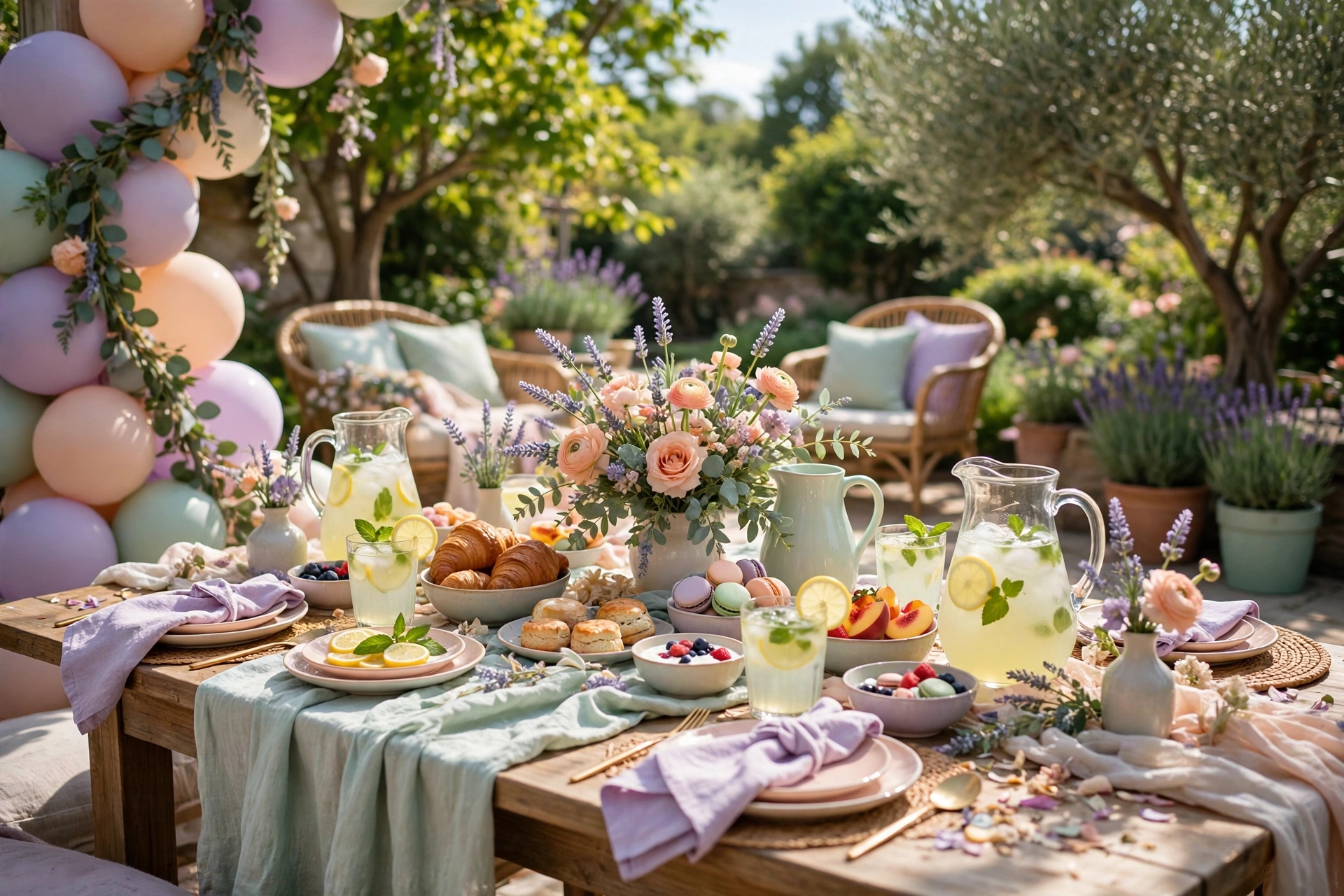
Season shapes the shower more than many hosts expect. Spring and early summer offer gardens, parks, and natural light, but also popular wedding dates that can clash. Summer showers need shade, water, and a heat backup plan, especially outdoors. Fall brings comfortable temperatures and harvest colors, but school schedules and holidays can limit weekends. Winter showers suit cozy indoor venues, but snow, ice, and holiday travel can affect attendance, so build in extra time for invitations and travel.
Check the family calendar before locking a date: major holidays, school breaks, religious observances, graduations, and other family celebrations all affect who can attend. If the ideal week falls on a holiday weekend, moving one week earlier or later usually improves attendance more than any decoration could.
How Timing Affects Planning
Once you choose a date, work backward. Start planning 8–12 weeks before the shower, send invitations 4–6 weeks out — sooner for travel guests or holiday weekends — and close RSVPs about 2 weeks out. That sequence holds whatever week you choose, but an earlier shower means starting earlier in pregnancy, so agree the guest list and registry sooner.
For the full week-by-week plan, see our baby shower timeline: 8 weeks to day-of and the complete baby shower planning checklist for hosts. For the step-by-step decisions that lead to the date, read how to plan a baby shower step by step.
A date in the “ideal” window is not ideal if the parent-to-be is exhausted, traveling far, or dreading a long day. Comfort, venue access, and a short, relaxed schedule matter more than hitting an exact week number.
Choosing Your Date: A Simple Decision Path
Answer these questions in order, and the date usually chooses itself:
- What does the parent-to-be want? Their comfort and preference come first, even if it differs from tradition.
- Who must be there? Check the availability of parents, siblings, and closest friends before checking the wider list.
- Is travel involved? If yes, favor earlier dates and longer invitation lead times.
- Are multiples or early arrival a consideration? If yes, favor the earlier side of the window.
- What does the season allow? Outdoor plans need a weather backup; winter plans need travel buffer.
- What is available? Venue, caterer, and key helpers all need to be free on the same day.
If two dates still tie, choose the one that gives the host more planning time. A relaxed host creates a relaxed party.
What If You Missed the Sweet Spot?
Life does not always follow a planning guide. A shower planned late, a venue booked late, or a family schedule that only frees up at 36 weeks does not mean the celebration is ruined. Keep it small, local, and short, choose simple food and a comfortable room, and let guests know the plan is intentionally relaxed. If even that feels like too much, a post-birth sip-and-see is a joyful alternative, and guests will understand completely.
Similarly, a shower planned very early — before 24 weeks — is not “too early” if it fits the family. Some families celebrate early for travel, work, or personal reasons, and the celebration is no less meaningful. The best timing is the timing that lets the people who matter most be present and comfortable.
If key guests must book flights or hotels, send a simple save-the-date as soon as the weekend is chosen, even before formal invitations are ready. Early notice is the single most effective way to improve attendance for traveling family.
Frequently Asked Questions
Is 28 weeks a good time for a baby shower?
Yes. Around 28–32 weeks is the most popular window for most families, because the parent-to-be is usually comfortable, the registry is ready, and there is still time to sort gifts before birth.
Is 36 weeks too late for a baby shower?
Not necessarily, but keep it small, local, and short. Fatigue and the chance of a change of plans increase in the final weeks, so a comfortable venue close to home and simple food work best. A post-birth sip-and-see is a good alternative.
Is 20 weeks too early for a baby shower?
No rule forbids it. Showers before 24 weeks are less common, but they make sense for travel, multiples, or family schedules. Guests celebrate the family whenever they are invited.
When should you have a baby shower for twins?
Many families expecting multiples choose earlier, often around 24–28 weeks, when travel and a longer celebration feel easier and there is more buffer before arrival.
What is the best time of day for a baby shower?
Late morning to mid-afternoon works best for most guests — brunch from about 11 a.m. to 2 p.m., or afternoon from about 1 p.m. to 4 p.m. Energy tends to be better, food stays light, and guests can travel home before evening.
How far in advance should invitations go out?
Send invitations 4–6 weeks before the shower, sooner for travel guests or holiday weekends. Close RSVPs about 2 weeks out so food and seating can be confirmed. See when should you send baby shower invitations for more detail.
Can you have a baby shower after the baby is born?
Yes. A sip-and-see or welcome party a few weeks after birth lets guests meet the baby. Keep it short, relaxed, and focused on the new parents’ rest and comfort.